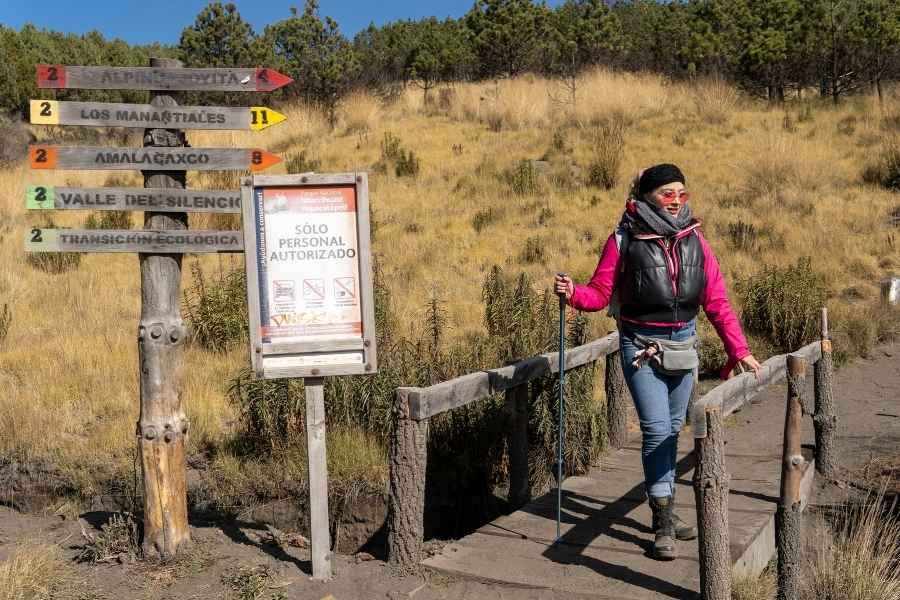
Stepping into the wild alone is a powerful experience. As a solo trekker, you embrace total freedom. Yet, the high peaks demand your full respect. One small mistake can lead to a serious crisis. You must be your own guide and protector. This guide ensures your journey stays safe and rewarding. Preparation is the silent guardian of every mountain explorer. It transforms a risky venture into a manageable challenge. Whether asking is it safe to trek alone in the mountains as a beginner or not, knowledge is key.
Master the Art of Trail Communication and Planning
Safety begins with a solid rescue plan shared with friends. Tell someone your exact route and expected return time. This ensures help knows where to look if you disappear. Exploring famous trekking routes in Patagonia for outdoor lovers requires this discipline. Never deviate from your stated path without notifying someone. Reliable communication acts as your lifeline in the deep wilderness. Carrying the right tools can save your life.
Essential Communication Gear for the Modern Explorer
| Device Type | Primary Function | Why a Solo Trekker Needs It |
| Satellite Messenger | Two-way texting via satellite | Works where cell towers fail. |
| PLB (Beacon) | Sending an emergency SOS | High-power signal for life-threatening crises. |
| Power Bank | Charging electronics | Keeps your navigation skills tools active. |
Phones often fail in cold or remote areas. Always have a backup power source ready.
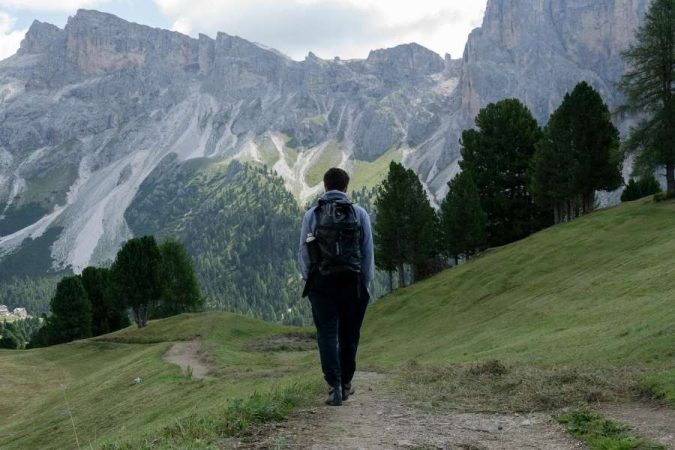
Sharpen Your Navigation Skills and Weather Forecasting
Solid navigation skills are non-negotiable for hiking alone. You must read topographic maps and use a compass. Do not rely only on digital GPS apps. If your battery dies, you must find your way back. Imagine navigating a journey to Everest Base Camp without a clear map. Understanding the sky is just as vital as the ground. Mountains create their own unpredictable weather patterns.
Reading the Mountain Weather Patterns
Accurate weather forecasting is difficult in high altitudes. Learn to spot dark, building clouds early. A sudden temperature drop often signals an approaching storm. If conditions look bad, turn back immediately. The peak will always be there for another day.
Building a Bulletproof Emergency Kit
Your pack must hold a complete emergency kit. Pack a space blanket, a whistle, and fire starters. These items are vital for mountain safety in cold nights. You might wonder how to communicate for help during a mountain emergency. A loud whistle or signal mirror works wonders. Your gear must be functional and very durable. It is your only support system out there.
The Survival Essentials Comparison
| Category | Must-Have Item | Purpose in an Emergency |
| First Aid | Hemostatic gauze | Stops heavy bleeding quickly. |
| Shelter | Emergency Bivvy | Prevents hypothermia during forced nights out. |
| Repair | Multi-tool | Fixes broken gear or equipment. |
Small injuries can escalate quickly when you are alone. Always be ready to treat yourself instantly.
Staying Level-Headed When Things Go Wrong
Know what to do if you get lost on a solo trek. Use the S.T.O.P. method: Sit, Think, Observe, Plan. Panic is the greatest enemy of a solo trekker. Staying calm helps you make logical, safe decisions. Moving while lost often makes the situation much worse. Safety is the result of many small, smart choices. Your intuition is a powerful survival tool.
Practical Safety Tips for All Travelers
These solo trekking safety tips for women travelers apply to everyone. Wear bright colors to stay visible to rescuers. Always trust your gut feeling about a trail. If a path looks dangerous, do not take it. Respecting these rules keeps the adventure alive and safe. Are you ready to conquer the silent peaks safely?
Frequently Asked Questions about Solo Trekker
Every adventurer has questions before heading into the wild alone. Here are common queries to help you prepare.
What is the most important piece of gear for someone trekking alone?
While many focus on boots, a satellite communication device is often the most critical tool. It allows you to call for help even in areas with no cellular service. This bridges the gap between a minor accident and a successful rescue.
Is it safe for a beginner to go on a solo trek in high altitudes?
Solo trekking as a beginner is risky and generally not recommended for high-altitude environments. You should first gain experience on well-marked, lower-elevation trails with a group. This builds the necessary navigation and survival skills before you face the mountain alone.
How much water and food should I carry for a one-day solo hike?
You should always carry at least 2 liters of water and enough high-calorie food for 24 hours. Even if you plan to be back by sunset, unexpected delays can happen. Having extra supplies ensures you maintain the energy needed to navigate safely if you get stuck.